

Terms Served
Listed by term start date:
- 1812 (1st term) (Northampton)
- 1813 (2nd term) (Gates)
- 1814 (3rd term) (Gates)
- 1815 (4th term) (Gates)
- 1816 (5th term) (Gates)
Biography
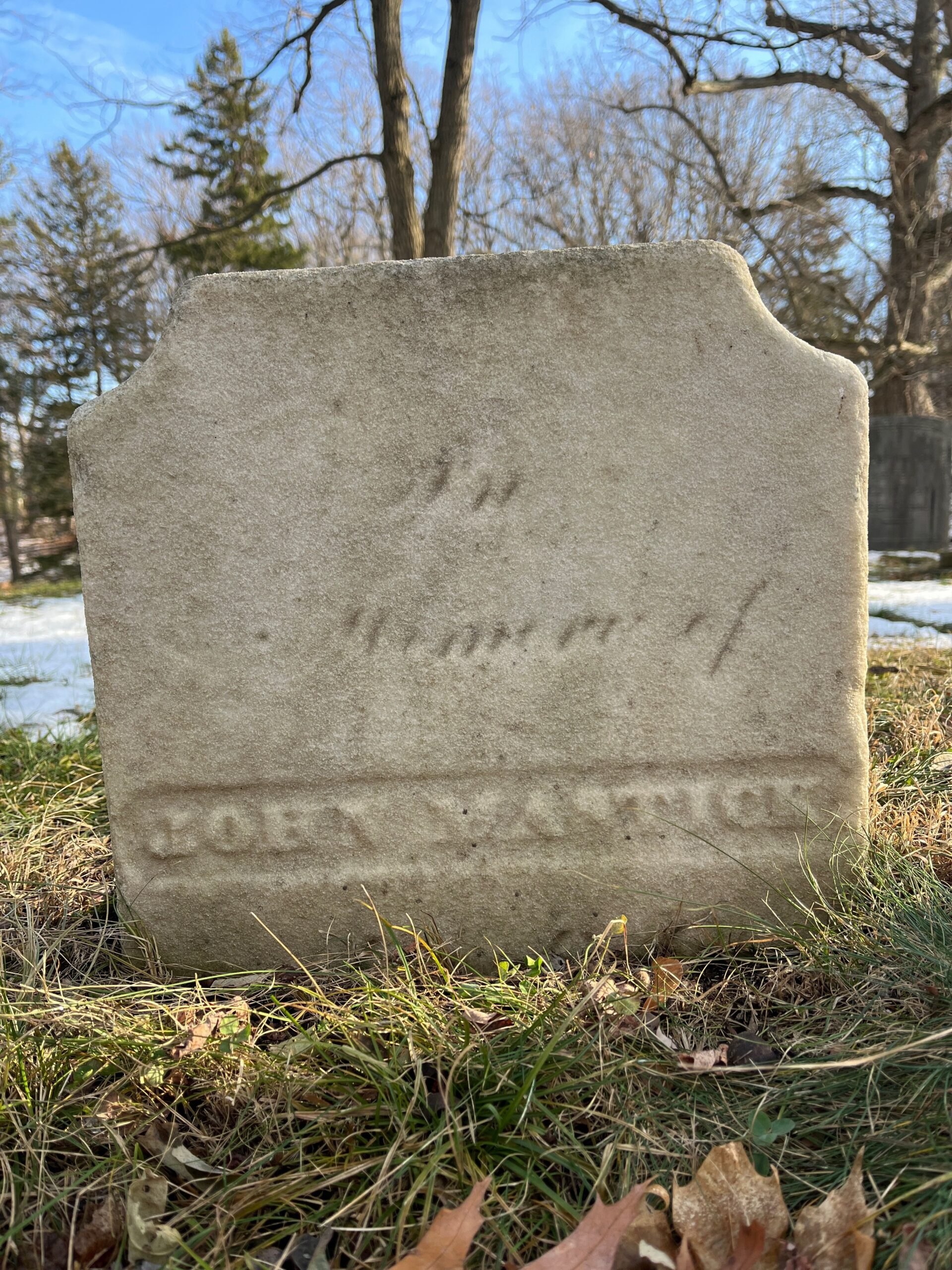 John Mastick (1780–1827) was the first lawyer to permanently settle
in early Rochesterville and one of the community’s most influential founders.
He brought law, order, and civic structure to what was then a frontier settlement.
Born January 25, 1780, in Rockingham, Vermont, Mastick was the son of a
Revolutionary War veteran. He studied law in Avon, New York, and was admitted
to the bar in 1808.
In 1812, Mastick moved to Rochesterville when only a few buildings stood near
the Genesee River. He opened the settlement’s first law office and quickly became
a central figure in its legal, civic, and economic life.
He married Catherine Berry of Avon and was a founding member and vestryman
of St. Luke’s Episcopal Church. Mastick died on October 20, 1827, and is buried
in Mount Hope Cemetery.
John Mastick (1780–1827) was the first lawyer to permanently settle
in early Rochesterville and one of the community’s most influential founders.
He brought law, order, and civic structure to what was then a frontier settlement.
Born January 25, 1780, in Rockingham, Vermont, Mastick was the son of a
Revolutionary War veteran. He studied law in Avon, New York, and was admitted
to the bar in 1808.
In 1812, Mastick moved to Rochesterville when only a few buildings stood near
the Genesee River. He opened the settlement’s first law office and quickly became
a central figure in its legal, civic, and economic life.
He married Catherine Berry of Avon and was a founding member and vestryman
of St. Luke’s Episcopal Church. Mastick died on October 20, 1827, and is buried
in Mount Hope Cemetery. Term Highlights
- 1812 – Supervisor, Town of Northampton Served as supervisor of the town that later became Gates and Greece, overseeing local governance during a period of rapid settlement.
- 1813 – Supervisor, Town of Gates Served as supervisor of the town that later became Gates before the towns of Gates and Greece would split in 1822.
- First Justice of the Peace in Rochesterville Appointed by the Governor of New York, helping establish lawful authority in the village’s earliest years.
- Judicial Service, Monroe County Participated in the first sessions of Monroe County courts beginning in 1821, supporting the creation of a functioning county justice system.
- Education & Community Leadership Helped organize Rochester’s first public school and supported early scholarship efforts so children of all families could attend.
- Land & Economic Development A major early landowner, Mastick helped shape Rochester’s growth through strategic land development, including the Johnson & Mastick Tract in today’s East Avenue area.
- Abolition & Humanitarian Causes Supported efforts opposing slavery and served on committees raising funds for Greek independence during the 1820s.
Sources
- John D. Lynn, The Life and Times of John Mastick: The Pioneer Lawyer of Rochester, Rochester Historical Society, 1922.
- Monroe County early court records (1820–1827).
- Rochester Historical Society archives and land plats.
- St. Luke’s Episcopal Church historical records.